“Connecting With Strangers Over Ham Radio Cleared My Family’s Static”
 Boston Globe reporter Gabriella Gage writes this nice human interest story in the May 22, 2012 issue of The Boston Globe:
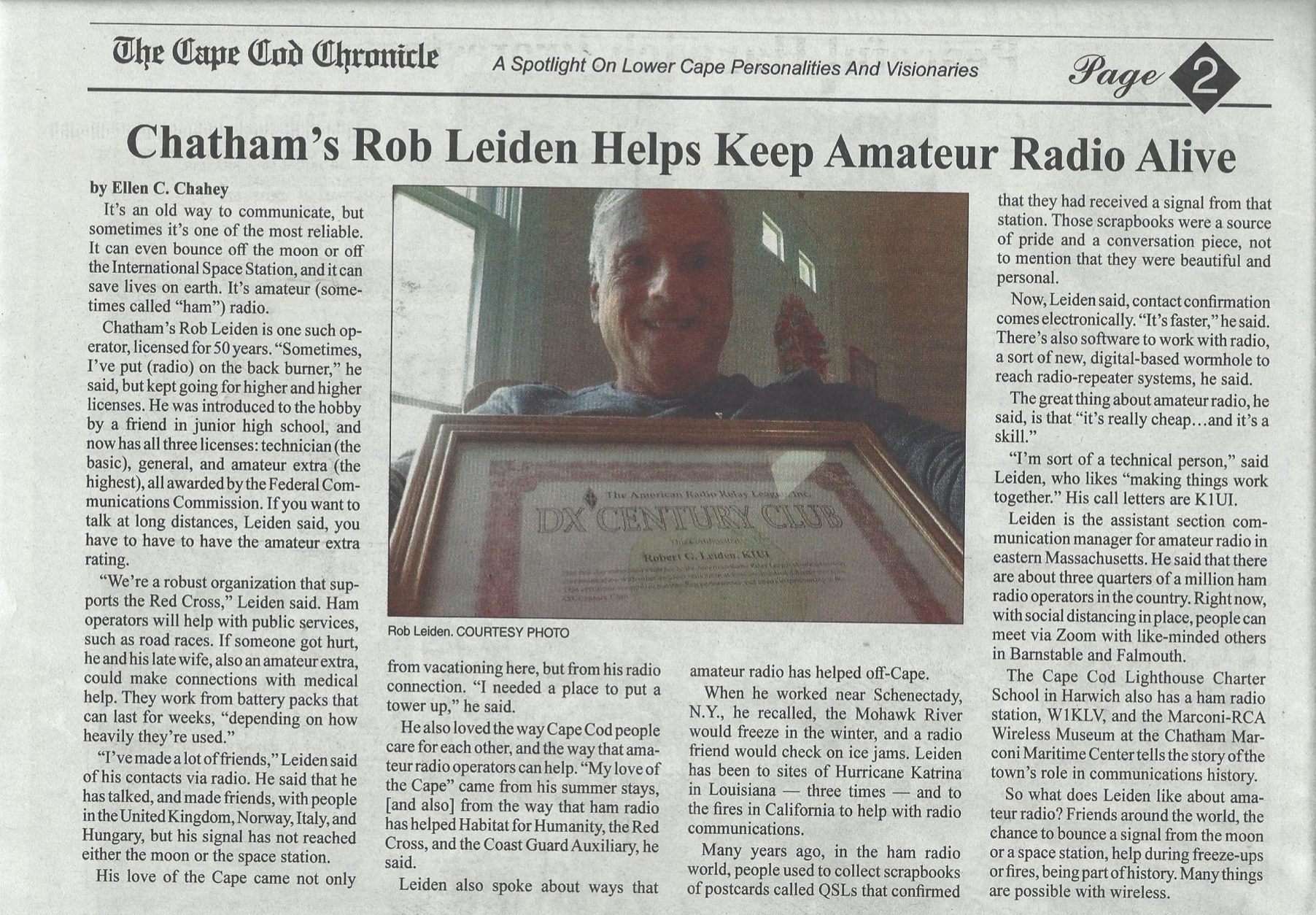
“On a rainy October night during the pandemic, my husband, David, searches for a faint voice in the distance. He doesn’t know who’s calling, but he knows he wants to speak to them. David adjusts the tuning knob on the decades-old transceiver ever so slightly, as if cracking a safe. Outside, a homemade antenna bobs in the wind. On his computer, pulsating lines tell him the voice is one of hundreds calling out on this busy night. The voice gets clearer: ‘CQ,’ the magic letters he’s been awaiting — the amateur radio operators’ invitation for a response — followed by a call sign. David jumps on his mic, repeating the stranger’s call sign and adds: “This is KB1TOY, Kilo-Bravo-1-Tango-Oscar-Yankee. You’re light but I can hear you!” [Full story]
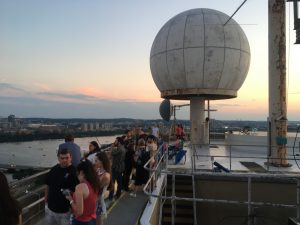 Perched atop the MIT Cecil and Ida Green Building (Building 54), MIT’s tallest academic building, a large, golf ball-like structure protrudes from the roof, holding its own in the iconic MIT campus skyline. This radar dome — or “radome” for short — is a fiberglass shell that encases a large parabolic dish, shielding it from the elements while allowing radio waves to penetrate. First installed in 1966, it was used initially to pioneer weather radar research. As the years passed and technology evolved, the radome eventually fell out of use for this purpose and was subsequently slated for removal as MIT began a major renovation and capital improvement project for the building. That’s when the student-led MIT Radio Society, who had found creative new uses for the radome, sprang into action to save it — and succeeded. [
 The
The 
 Eastern MA Affiliated Club Coordinator

 From nediv.arrl.org: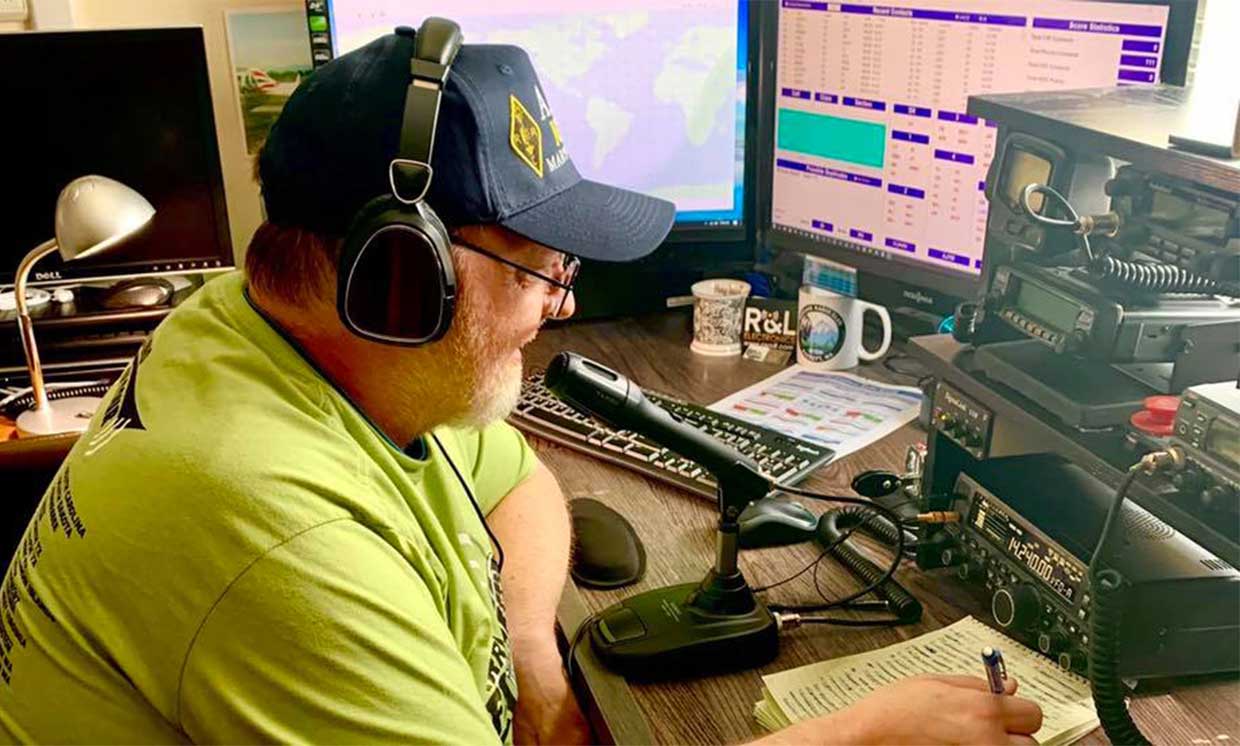
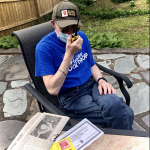 Taunton amateur Ted Figlock, KA1AAT, was the subject of a nice feature story in the June 24, 2020 edition of the Taunton Gazette: